
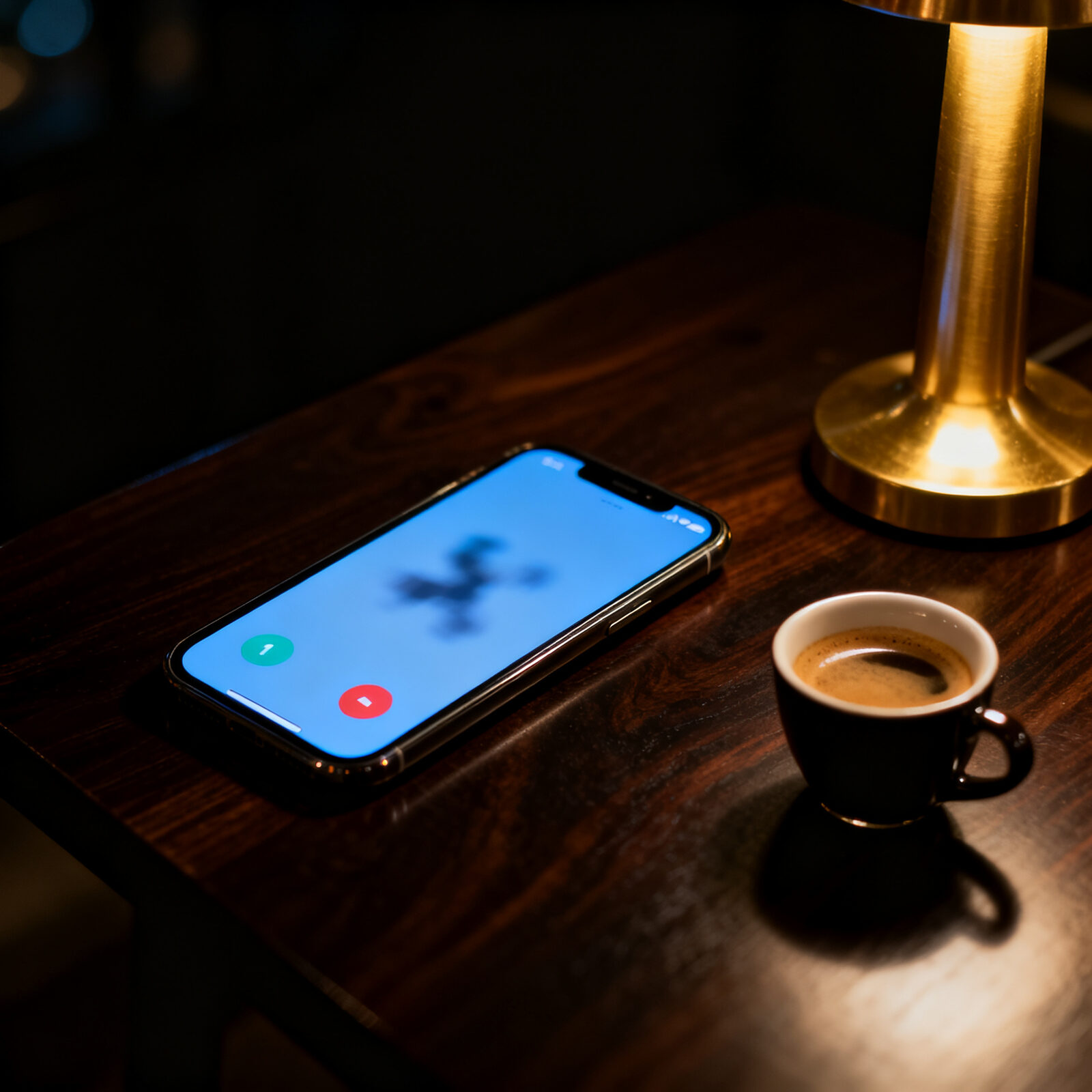
I was scammed when I was a teenager, in the UK. Not directly. They used my family to get to me.
Someone promised a job to a member of my family. Then came the request for a transfer, and the money arrived in my bank account. I checked. I confirmed with the bank that it was there and could not be reversed. So I sent it on to the guy. Then the money was recalled from my account, somehow. I still don’t know how. That’s how I learned the lesson the hard way.
It wasn’t what pushed me to build anything. But for many years after that, scammers were simply part of my life, and not only mine. My mom got offers daily, and I spent a lot of time educating her. I always had this inner anger about it, because it’s unfair. Sometimes I’d engage with the scammers just to ask them: do you have kids? Do your kids know what you do? Would they be proud? I’m not sure it ever worked. For me these people have no soul and no heart.
Then I moved to the UAE
It got worse, fast. The UAE has been heavily targeted for a long time, and the scammers here are very abusive. The moment something goes against their will, they insult you over the phone.
I followed how they evolve, and how easy it is to fall into the trap. An SMS that looks like it’s from the police, with a one-time code. I watched WhatsApp groups where people lost money, lost documents, found out loans had been taken out in their names. I’ve read stories of elderly people who lost their life savings and couldn’t live with it. One friend lost money on a crypto investment that was, of course, too good to be true. On Telegram I’ve had messages from, I swear, the Illuminati.
The numbers match what I was seeing. A survey by the Global Anti-Scam Alliance found more than 40,000 UAE residents fell victim to a scam in a single year, with the average victim losing over $2,100. Only 9% got all their money back.
The call in Uzbekistan
I answer every unknown call. I travel a lot, I never know whether it’s a delivery, someone waiting, someone from work. So I pick up.
On a trip to Uzbekistan I got yet another one, and it was a scammer. I was paying roaming rates to be lied to. I was so annoyed that I wanted to report him, and then I realised I didn’t know where. The police have lines for the call that already cost you money. There was nothing for the call that just interrupted your dinner, the fortieth one this month.
The question came while I was walking home. Very simple: how can I report this to other people? Not to a ministry. To the next person whose phone is about to ring.
I did some research and found apps like Truecaller. Nothing that worked well in the UAE, and nothing that was user-friendly, fast and private all at once.
The name
I brainstormed the name on the same walk. Hadhar is حذر, Arabic for “beware” or “be careful”. That’s all it had to be.
Then I made three decisions before writing any code. It would be owned by the community, because a scammer’s number is only known when enough people report it. It would be private first, because an app that protects you from strangers shouldn’t ask for your contacts. And for now it would be built around the UAE, because that’s where I live and where the scam calls sound the way they do. It could go to other countries later.
Getting it onto a phone is a different story. Android doesn’t make it easy to see who is calling or to react in the second before you answer. How a call becomes a warning, and where the numbers come from, is the next chapter.