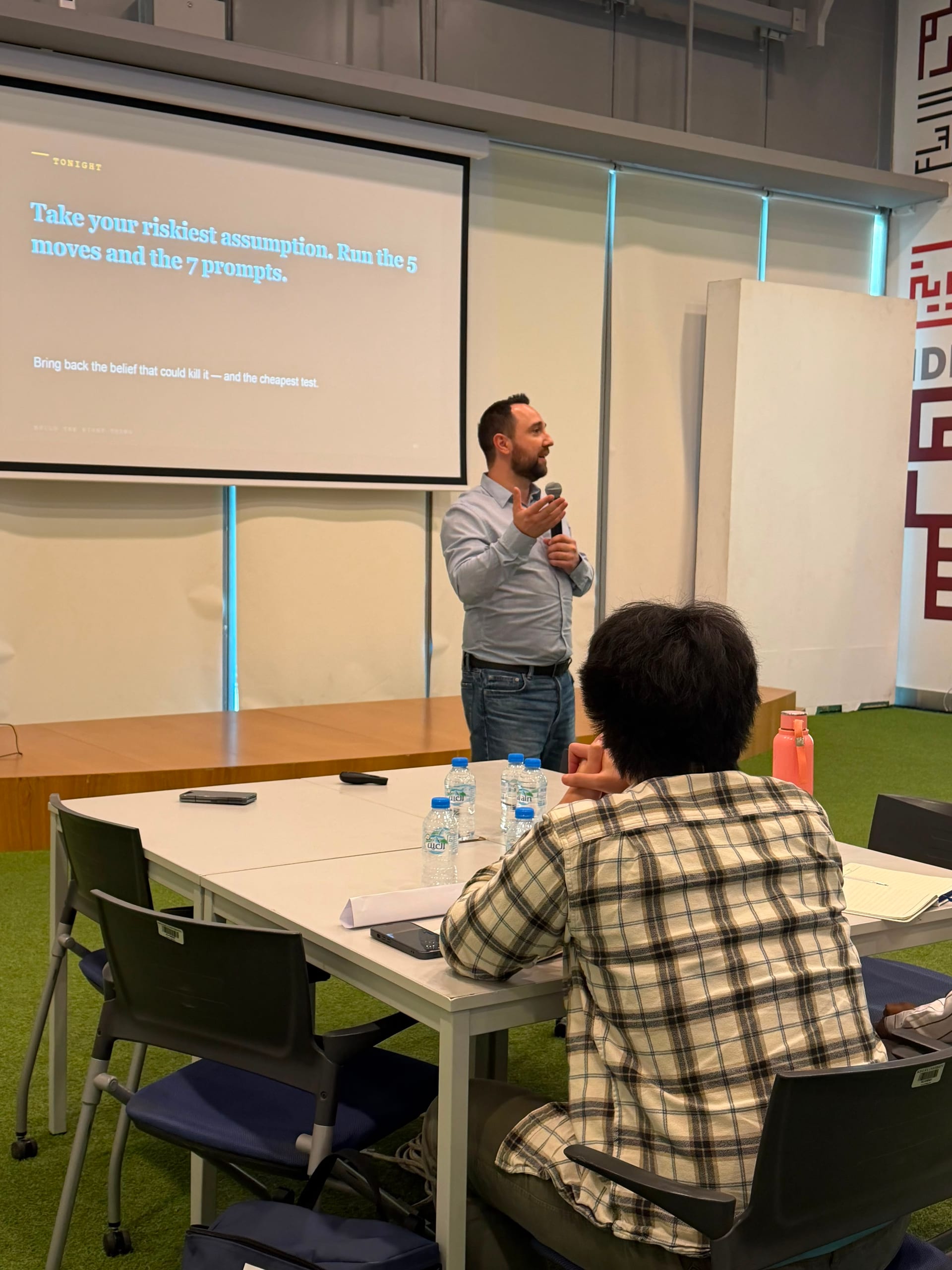

Starting a business can be an exciting and rewarding experience, but it can also be a daunting task. The key to building a successful business is to develop a solid business model that will guide your decision-making process and help you achieve your goals. A business model is essentially a blueprint that outlines how your company will operate, make money, and create value for your customers. In this article, we will explore the five key steps to developing a successful business model. We will cover everything from identifying your target market and understanding your value proposition to creating a revenue stream and establishing a competitive advantage. By following these steps, you can increase your chances of building a thriving business that meets the needs of your customers and generates a profit for years to come. So, let's dive in and discover how you can create a winning business model for your startup or established company.
Understanding Your Target Audience and Their Needs
The first step in developing a successful business model is to understand your target audience and their needs. Who are your customers, and what are their pain points? What are their goals, and how can your product or service help them achieve those goals? To answer these questions, you need to conduct thorough market research.
Start by identifying your target market based on demographics, such as age, gender, income, education, and location. Then, dig deeper to understand their psychographics, such as their values, beliefs, interests, and behaviors. You can use surveys, focus groups, and social media analytics to gather this information.
Once you have a clear understanding of your target audience, you can create buyer personas that represent your ideal customers. These personas should include information such as their goals, challenges, objections, and preferred communication channels. By understanding your target audience and their needs, you can create products and services that solve their problems and provide value.
Identifying Your Unique Value Proposition
The second step in developing a successful business model is to identify your unique value proposition. What sets your product or service apart from the competition? Why should customers choose your company over others? Your value proposition should be clear, concise, and compelling.
To identify your value proposition, start by analyzing your competitors. What do they offer, and how do they position themselves in the market? Then, look for gaps or opportunities where you can differentiate yourself. This could be through product features, pricing, customer service, or brand messaging.
Once you have identified your unique value proposition, test it with your target audience to ensure it resonates with them. Use customer feedback to refine your value proposition and make it even stronger. Your value proposition should be the foundation of your business model, guiding all of your decisions and actions.
Defining Your Revenue Streams
The third step in developing a successful business model is to define your revenue streams. How will your company make money? There are several types of revenue streams, including:
- Product sales: selling physical or digital products to customers
- Service fees: charging customers for services provided
- Subscription fees: charging customers a recurring fee for ongoing access to a product or service
- Advertising fees: generating revenue through advertising on your platform
Consider which revenue streams align with your business goals and your target audience's willingness to pay. You may need to experiment with different revenue streams before finding the right one for your business. Additionally, consider how your revenue streams will evolve over time as your business grows and changes.
Mapping Out Your Cost Structure
The fourth step in developing a successful business model is to map out your cost structure. What are your expenses, and how will you allocate your resources? Your cost structure should be aligned with your revenue streams and value proposition.
Start by identifying your fixed costs, such as rent, salaries, and equipment. Then, identify your variable costs, such as materials and marketing expenses. Consider how your costs will scale as your business grows and how you can optimize your expenses to maximize profitability.
Testing and Refining Your Business Model
The fifth and final step in developing a successful business model is to test and refine it. Your business model is not set in stone, and you may need to make adjustments as you learn more about your customers and the market.
Start by testing your assumptions through small-scale experiments and prototypes. Use customer feedback to iterate on your product or service and refine your value proposition. Continuously track your financial metrics, such as revenue, expenses, and profit margins, to ensure your business model is sustainable.
Examples of Successful Business Models
To inspire your business model development, here are some examples of successful business models:
- Subscription-based model: Netflix charges a monthly subscription fee for access to its streaming service, providing customers with a large library of movies and TV shows.
- Freemium model: Dropbox offers a free version of its cloud storage service with limited storage capacity, while charging customers for premium features and additional storage.
- Marketplace model: Uber connects riders with drivers through its platform, taking a percentage of each ride as a fee.
- Razor and blades model: Gillette sells razors at a low profit margin but makes up for it by selling high-profit-margin blades that are compatible only with their razors.
- Direct-to-consumer model: Warby Parker sells eyeglasses directly to customers through its website, cutting out the middleman and offering lower prices.
Common Pitfalls to Avoid in Business Model Development
While developing your business model, be aware of these common pitfalls:
- Focusing too much on features instead of benefits: Customers care about how your product or service will benefit them, not just the features it offers.
- Overestimating market demand: Conduct thorough market research to ensure there is sufficient demand for your product or service.
- Neglecting to test assumptions: Don't assume your business model will work without testing it with your target audience.
- Ignoring financial metrics: Monitor your financial metrics regularly to ensure your business model is profitable and sustainable.
- Being resistant to change: Be willing to pivot your business model if it's not working, rather than sticking to a failing strategy.
Tools and Resources for Developing Your Business Model
There are several tools and resources available to help you develop your business model, including:
- Business Model Canvas: A visual tool for mapping out your business model, including your value proposition, customer segments, revenue streams, and cost structure.
- Lean Startup Methodology: A method for testing and iterating on your business model through small-scale experiments and customer feedback.
- SWOT Analysis: A strategic planning tool for identifying your company's strengths, weaknesses, opportunities, and threats.
- Market Research Tools: Tools for conducting market research, such as surveys, focus groups, and social media analytics.
Conclusion
Developing a successful business model is essential for building a thriving business that meets the needs of your customers and generates a profit. By understanding your target audience, identifying your unique value proposition, defining your revenue streams, mapping out your cost structure, and testing and refining your business model, you can increase your chances of success. Remember to continuously monitor your financial metrics and be willing to pivot your business model if needed. With these key steps and the right tools and resources, you can create a winning business model for your startup or established company.