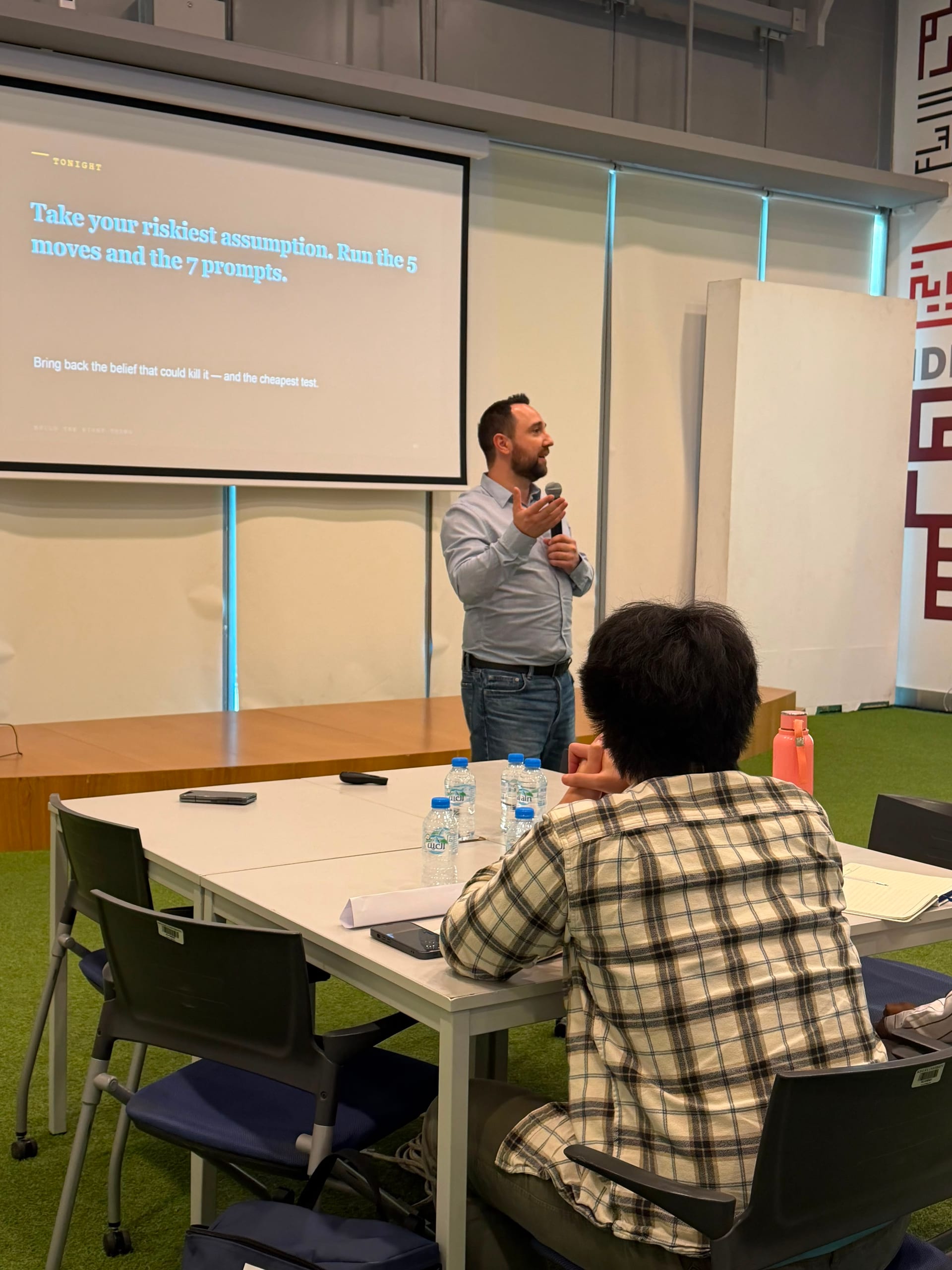

Launching a Minimum Viable Product (MVP) is a popular approach for startups and businesses to test the viability of their product ideas in the market. An MVP allows you to validate assumptions, gather feedback, and iterate on your product concept with minimal resources. In this article, we will outline the key steps to building an MVP, the essential features it should have, important considerations, and a suggested timeline to ensure a successful launch.
1. Define Your Objective:
Begin by clearly defining the purpose of your MVP. Identify the problem you are addressing, the target audience, and the core value proposition of your product. A well-defined objective will guide your decision-making process throughout the development cycle.
2. Identify Essential Features:
Focus on the core functionality that demonstrates the unique value of your product. Avoid overloading your MVP with unnecessary features. Identify the must-have features that address the primary pain points of your target audience. These features should be enough to deliver value and elicit meaningful feedback.
3. Build a Minimalistic User Interface (UI):
Keep the UI simple and intuitive. Concentrate on the functionality and user experience rather than complex design elements. A clean and user-friendly interface will allow your users to navigate easily and focus on the core features of your product.
4. Develop a Scalable Architecture:
Although an MVP is a scaled-down version of your final product, it's important to build a scalable and flexible architecture that can accommodate future enhancements. Consider using a modular and extensible approach to facilitate future iterations and avoid costly rework.
5. Implement Key Metrics and Analytics:
Integrate analytics tools to track user behavior, engagement, and conversion rates. This data will help you understand how users interact with your product and identify areas for improvement. Key metrics can include user retention, conversion rates, and customer feedback.
6. Prioritize Performance and Stability:
Ensure your MVP is stable and performs optimally under different usage scenarios. Users expect a seamless experience, even in an MVP stage. Identify potential performance bottlenecks and address them early on to prevent negative user experiences.
7. Iterate and Collect User Feedback:
Launch your MVP and gather feedback from your target audience. Actively listen to user suggestions, pain points, and feature requests. This feedback will guide your product roadmap and help you make informed decisions for future iterations.
8. Plan for Iterative Development:
Based on user feedback and analytics, plan incremental updates and improvements for your product. Prioritize the most impactful features and continuously iterate to enhance user satisfaction and address market needs.
9. Ensure Strong Security and Data Privacy:
As data breaches and privacy concerns are on the rise, prioritize security and data protection in your MVP. Implement industry-standard security practices to safeguard user information and build trust with your audience.
10. Timeline Considerations:
The timeline for building an MVP can vary depending on the complexity of your product. However, it's essential to balance speed with quality. Aim for a timeline that allows you to deliver a functional and reliable product within a reasonable timeframe. Consider dividing the development process into sprints, focusing on delivering key features in each iteration.
Conclusion:
Building an MVP requires careful planning, a focus on core functionality, and a commitment to collecting user feedback. By following the steps outlined in this guide, you can create an MVP that effectively demonstrates your product's value, gathers essential data, and sets the stage for future development. Remember, the MVP stage is just the beginning of a product's journey, and continuous improvement is key to achieving long-term success.