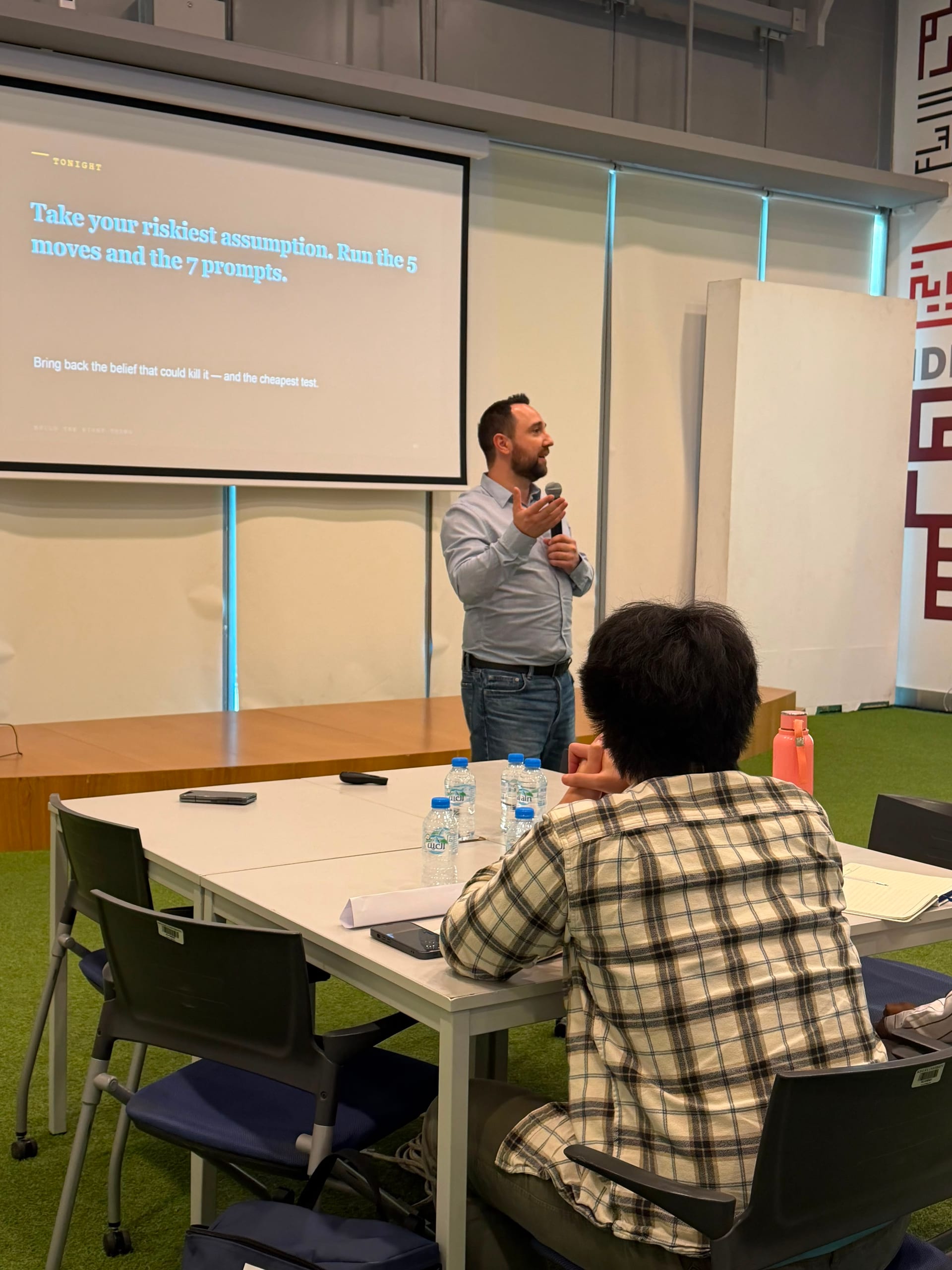

Effective team management is not just a desirable goal but an essential factor for organisational success. The book "The Five Dysfunctions of a Team" by Patrick Lencioni sheds light on the common challenges teams face, making it clear that fostering collaboration and communication among team members is crucial. However, achieving this can be challenging, which is where coaching steps in as a valuable tool.
Often associated with athletes and personal development, coaching is equally indispensable in the corporate world. It is a powerful strategy to enhance teamwork and help organisations achieve their goals. Like the principles outlined in Lencioni's book, coaching provides guidance, support, and constructive feedback, assisting teams to navigate the five dysfunctions – absence of trust, fear of conflict, lack of commitment, avoidance of accountability, and inattention to results.
By applying effective coaching techniques, teams can address these dysfunctions head-on. Coaches build trust and transparency, encourage team members to engage in healthy conflicts, foster commitment to shared objectives, hold individuals accountable for their roles, and ensure the team remains focused on achieving measurable results.
Understanding the importance of collaboration and communication in team management
Collaboration and communication are the bedrock of successful team management. In Patrick Lencioni's book, 'The Five Dysfunctions of a Team,' he emphasises the pivotal role these two components play in overcoming common team challenges. Team members can achieve remarkable results when they unite to achieve a shared goal. As Lencioni outlines, collaboration allows individuals to leverage their collective knowledge, skills, and experiences, leading to increased creativity, innovation, and problem-solving capabilities.
Lencioni's framework also highlights the significance of effective communication in addressing the dysfunctions that teams often face. His book stresses the importance of listening and expressing oneself clearly. This ensures that everyone is on the same page, understands their roles and responsibilities, and can work together seamlessly to overcome the five dysfunctions - absence of trust, fear of conflict, lack of commitment, avoidance of accountability, and inattention to results.
As Lencioni aptly points out, good communication is not just about conveying information; it's a powerful tool for resolving conflicts, building trust, and establishing a positive team culture. By applying the principles from his book, teams can transform their communication dynamics, overcome dysfunctions, and create an environment where collaboration and open communication thrive. This, in turn, leads to higher productivity, more significant innovation, and, ultimately, the achievement of exceptional results.
The role of coaching in fostering collaboration and communication
Coaching is an essential element in promoting collaboration and communication within teams. A coach guides and facilitates team members in developing their skills and overcoming challenges. They offer support, encouragement, and constructive feedback, enabling individuals to grow and flourish in their roles.
Coaches also assist teams in setting clear goals and defining expectations to ensure everyone understands the collective vision and how their efforts contribute to it. They promote accountability and responsibility, urging team members to own their actions and outcomes. Coaches create an environment that fosters collaboration and open communication by encouraging shared purpose and direction.
Benefits of coaching in team management
Implementing coaching in team management offers numerous benefits to organisations. Firstly, coaching improves team performance by enhancing collaboration and communication. When team members feel supported and valued, they are more likely to contribute their best work and collaborate effectively with others. This leads to increased productivity, efficiency, and overall team success.
Coaching also helps identify and address individual and team weaknesses, allowing for targeted skill development and growth. Coaches can help individuals overcome obstacles and reach their full potential by providing personalised guidance and feedback. This not only benefits the individuals but also strengthens the overall capabilities of the team.
Furthermore, coaching fosters a positive and inclusive team culture. When team members feel heard, respected, and appreciated, they are more likely to actively participate in discussions and share their ideas and perspectives. This diversity of thought and collective problem-solving leads to better decision-making and innovation.
Coaching techniques for improving collaboration and communication
Various coaching techniques and strategies can be thoughtfully employed to elevate team collaboration and communication, taking inspiration from Patrick Lencioni's 'The Five Dysfunctions of a Team.' Like active listening, one effective technique is the 'Vulnerability-based Trust Exercises.' Coaches encourage team members to participate in trust-building activities where they share personal vulnerabilities and challenges. This fosters trust, empathy, and deeper connections. For instance, team members might take turns sharing their most significant career setbacks and how they overcame them, creating a sense of shared vulnerability.
Drawing from Lencioni's emphasis on constructive conflict, coaches can implement 'Conflict Resolution Workshops.' These structured sessions enable team members to engage in productive debates, express differing viewpoints, and explore solutions collaboratively. By addressing the fear of conflict head-on, teams can resolve issues effectively and enhance communication.
Lencioni's concept of 'Commitment' can be reinforced through 'Commitment Clarification Sessions.' Coaches guide team members in defining clear, specific commitments to the team's goals. This process ensures everyone understands their roles and responsibilities, fostering a shared commitment to achieving outcomes.
Coaches can also incorporate 'Peer Accountability principles by introducing 'Accountability Partners.' Team members pair up and hold each other accountable for meeting their commitments. This promotes a sense of responsibility and ensures everyone actively contributes to the team's success.
Moreover, Lencioni's 'Results Focus' can be strengthened through 'KPI Alignment Workshops.' Coaches help teams identify and track Key Performance Indicators (KPIs) that align with their objectives. This not only keeps the team focused on measurable results but also provides clarity on their progress toward these goals.
By integrating these coaching techniques, teams can enhance their collaboration and communication skills. These strategies address common dysfunctions, making teams more productive, innovative, and effective. Like Lencioni's book identifies challenges, coaching offers practical solutions to build cohesive, high-performing teams.
Creating a coaching culture within your team
Organisations can strive to create a coaching culture within their teams to fully harness the benefits of coaching. This involves embedding coaching principles and practices into the team's everyday routines and interactions. It requires a commitment to ongoing learning, growth, and continuous improvement.
A coaching culture encourages open and transparent communication, where feedback is seen as an opportunity for growth rather than criticism. It promotes a growth mindset, encouraging individuals to take risks, learn from failures, and constantly seek improvement. It also values collaboration and teamwork, recognising that collective efforts are more potent than individual contributions.
To create a coaching culture, organisations can provide training and development opportunities for managers and team leaders to enhance their coaching skills. They can also establish regular coaching sessions or check-ins with team members to provide guidance, support, and feedback. Organisations can cultivate an environment where collaboration and communication thrive by nurturing a coaching mindset and integrating coaching practices into daily operations.
Identifying and addressing communication barriers
Various barriers within teams can obstruct effective communication. These barriers may stem from differences in communication styles, cultural or language disparities, a lack of trust, or subpar listening skills. Coaches must identify and address these obstacles to nurture better collaboration and communication.
Coaches can initiate this process by establishing clear communication guidelines and expectations within the team. For instance, they can set norms for active listening, respectful communication, and the timely provision of feedback. To illustrate, team members might commit to practising 'Active Listening Sessions,' where they take turns speaking and actively listening without interruption, ensuring everyone feels heard.
Another critical aspect is encouraging team members to embrace diversity and cultural differences. Coaches can facilitate 'Cultural Exchange Workshops,' where team members share insights into their backgrounds, traditions, and communication preferences. This promotes an inclusive environment where everyone feels comfortable expressing their thoughts and ideas, irrespective of cultural variances.
Moreover, coaches can employ a variety of team-building activities to promote trust and mutual understanding. For example, 'Trust Falls' and 'Blindfolded Trust Walks' encourage team members to rely on each other for support, fostering trust and reducing the likelihood of miscommunication or misunderstandings. 'Cross-functional Team Challenges' can be organised, encouraging teams to collaborate on complex tasks and improving their communication and problem-solving skills.
By incorporating these coaching techniques and team-building activities, coaches can help teams overcome communication barriers, enhancing collaboration and fostering a more harmonious and effective work environment.
Promoting active listening in team communication
Various barriers within teams can obstruct effective communication. These barriers may stem from differences in communication styles, cultural or language disparities, a lack of trust, or subpar listening skills. Coaches must identify and address these obstacles to nurture better collaboration and communication.

To understand the significance of clear communication, consider this analogy: Look at a black-and-white photo above with a few coloured lines. Our brain naturally fills the entire picture with colours, creating a complete image. Similarly, when a message or understanding needs more clarity, our brains tend to 'fill in the gaps,' often leading to misinterpretation or misunderstanding.
This highlights why practising active listening and fully comprehending the message is vital. With active listening, our brains may correctly 'colour in' missing information based on assumptions or biases, which can lead to clarity or conflicts within the team. To avoid falling into the trap of our brains filling in the gaps, active listening becomes critical in ensuring that communication is clear, precise, and devoid of unintended interpretations.
Coaches play a pivotal role in reinforcing the importance of active listening and guiding team members to ask clarifying questions when needed. By doing so, coaches help teams eliminate the risk of miscommunication and promote a more cohesive and productive work environment.
Tools and resources for effective team communication
In today's digital age, numerous tools and resources are available to facilitate effective team communication. These tools enable teams to collaborate remotely, share information, and stay connected regardless of geographical boundaries. Coaches can leverage these tools to enhance their communication and collaboration efforts.
Project management software like Redmine can help teams stay organised, assign tasks, and track progress. Communication platforms like Mattermost provide real-time messaging and file-sharing channels. Video conferencing tools like Zoom or Google Meet allow teams to have face-to-face meetings, even when physically apart.
Coaches can provide training and support to ensure team members are proficient in using these tools and maximising their benefits. By leveraging technology, teams can overcome communication barriers and work seamlessly together, regardless of physical location.
Measuring the success of coaching in team collaboration and communication
Organisations can use various metrics and feedback mechanisms to gauge the success of coaching in team collaboration and communication. These can include:
- Surveys and feedback forms: Collecting feedback from team members about their experience with coaching, the effectiveness of communication strategies, and the impact on collaboration.
- Key performance indicators (KPIs): Tracking KPIs related to team performance, such as productivity, customer satisfaction, or project completion rates. Improvement in these metrics can indicate the positive impact of coaching.
- 360-degree feedback: Gathering feedback from team members, peers, and managers about the individual's communication and collaboration skills. This provides a comprehensive view of their progress and areas for improvement.
- Observation and assessment: Coaches can observe team interactions and provide objective evaluations of the team's communication and collaboration dynamics. This can help identify areas that need further development and provide targeted coaching interventions.
By regularly evaluating these metrics and collecting feedback, organisations can assess the effectiveness of coaching in improving team collaboration and communication. This feedback can inform future coaching strategies and ensure continuous improvement.
Conclusion: The lasting impact of coaching on team management
Coaching is a game-changer for effective team management, especially in addressing the common dysfunctions outlined in Patrick Lencioni's 'The Five Dysfunctions of a Team.' By fostering collaboration and communication, coaches empower teams to overcome these obstacles and achieve remarkable results. Through their guidance, support, and feedback, coaches create an environment where team members feel valued, heard, and motivated to contribute their best work.
The benefits of coaching in team management extend far beyond mere improvements – they encompass transformation. Coaching techniques, such as active listening and effective questioning, directly address the absence of trust, fear of conflict, lack of commitment, avoidance of accountability, and inattention to results. Coaches enable teams to identify and address these issues, thus enhancing team performance, job satisfaction, and overall work culture.
By embracing coaching as a cornerstone of team management and addressing communication barriers, organisations can maximise the impact of coaching on their teams. This approach helps teams overcome Lencioni's dysfunctions and fosters a positive team culture, increasing productivity, innovation, and overall team success. In doing so, coaching becomes an indispensable tool for an organisation's overall success.
So, don't hesitate to embrace coaching as a powerful strategy to enable your teams to overcome challenges, unlock their full potential, and thrive in today's competitive business landscape. Witness firsthand the transformative power it brings to your organisation, ensuring a brighter future for your teams and your company.