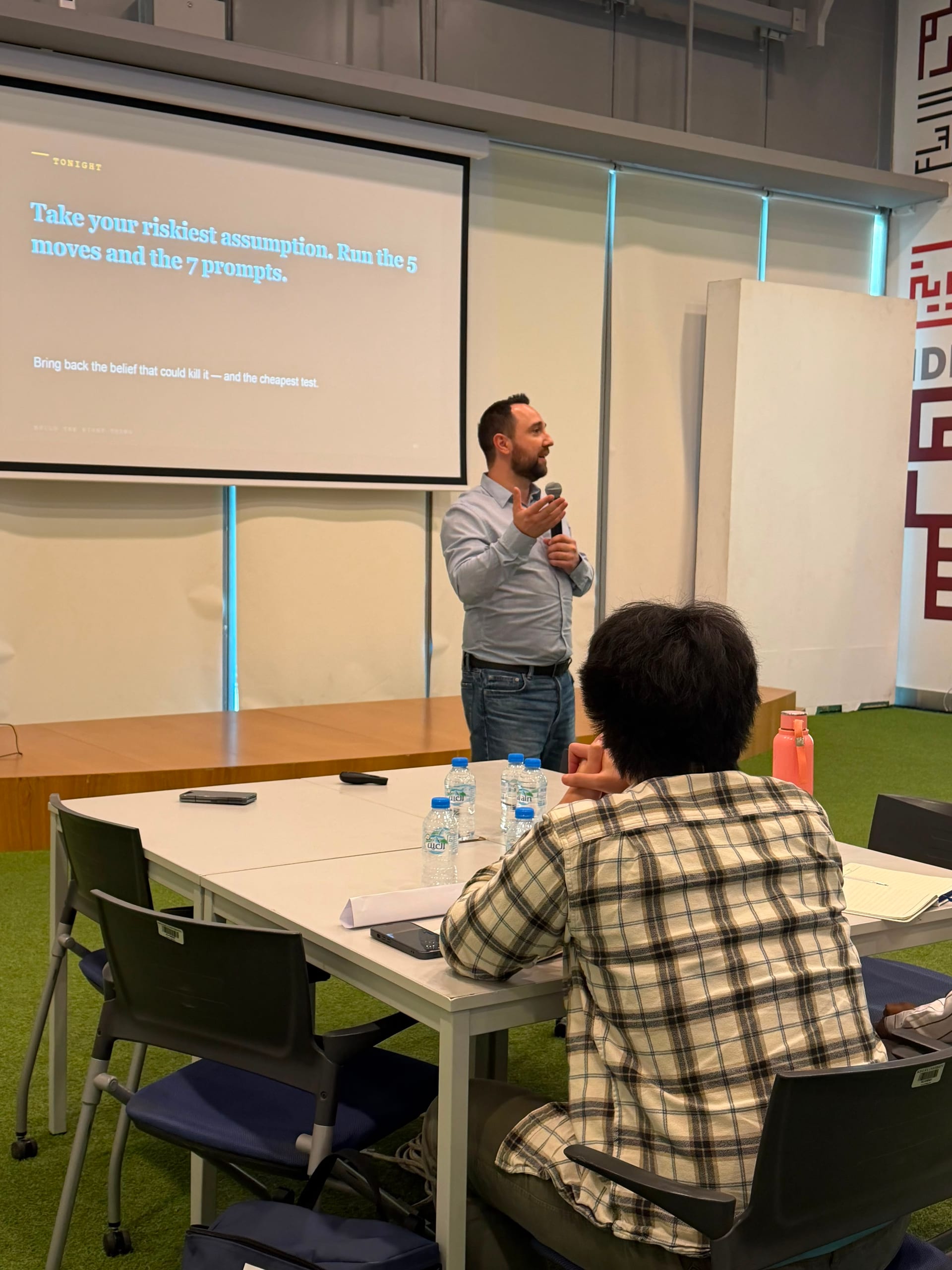

Are you looking to become a technical mentor but not sure how to provide guidance for all skill levels? Whether you're a seasoned pro or a beginner, learning how to effectively communicate and teach technical concepts to others is a challenging but rewarding task. In this guide, we'll explore the key strategies and tools you can use to provide technical guidance that's accessible and effective for everyone, from beginners to seasoned professionals. From breaking down complex ideas into digestible pieces to utilizing interactive resources and providing constructive feedback, these techniques will help you become a skilled technical mentor in no time. So, whether you're a developer, engineer, or anyone interested in sharing your technical expertise with others, let's dive in and discover how to provide technical guidance for all skill levels.
The Importance of Technical Guidance
Technical guidance is essential for individuals and organizations to thrive in today's digital age. Technical guidance can come in many forms, such as tutorials, manuals, and online courses, but the key is to make sure that the guidance is accessible and effective for all skill levels. Without proper guidance, individuals may struggle to develop the necessary skills to excel in their field, while organizations may miss out on opportunities to innovate and grow.
As a technical mentor, your role is to provide guidance that is tailored to the needs of your audience. This means understanding their skill level, learning style, and goals. By doing so, you can create a comprehensive technical guide that meets their needs and helps them achieve their objectives.
Understanding Your Audience
To provide effective technical guidance, it's essential to understand your audience. This means taking the time to assess their skill level, learning style, and goals. You can do this by conducting a needs assessment, which involves gathering information about your audience's current knowledge and skills, as well as their learning preferences and objectives.
Once you've gathered this information, you can use it to create a technical guide that meets their needs and helps them achieve their goals. For example, if your audience consists of beginners, you may need to provide more detailed explanations and examples to help them understand complex concepts. On the other hand, if your audience consists of seasoned professionals, you may need to focus more on practical exercises and real-world applications.
Assessing Skill Levels
Assessing the skill level of your audience is an essential step in providing effective technical guidance. This involves determining what your audience already knows and what they need to learn to achieve their goals. There are several ways to assess skill levels, such as quizzes, surveys, and interviews.
One effective way to assess skill levels is to use a skills matrix. A skills matrix is a tool that helps you evaluate the skills and knowledge of your audience and identify any gaps that need to be filled. By using a skills matrix, you can create a technical guide that addresses the specific needs of your audience and helps them develop the necessary skills to excel in their field.
Creating a Comprehensive Technical Guide
Creating a comprehensive technical guide is essential for providing effective guidance to your audience. A comprehensive guide should cover all the essential topics and concepts related to your field, as well as provide practical exercises and real-world examples to help your audience apply what they've learned.
One effective way to create a comprehensive technical guide is to break down complex concepts into smaller, more digestible pieces. This can be done by using analogies, metaphors, and other techniques to help your audience understand complex ideas. Additionally, providing examples and practical exercises can help your audience apply what they've learned and reinforce their understanding of the material.
Breaking Down Complex Concepts
Breaking down complex concepts is an essential part of providing effective technical guidance. This involves taking complex ideas and breaking them down into smaller, more digestible pieces. One effective way to do this is to use analogies and metaphors to help your audience understand complex ideas.
For example, if you're explaining how a computer works, you might compare it to a library. Just as a library stores books and organizes them in a specific way, a computer stores data and organizes it in a specific way. By using analogies and metaphors, you can help your audience understand complex ideas and make them more accessible.
Providing Examples and Practical Exercises
Providing examples and practical exercises is an effective way to help your audience apply what they've learned and reinforce their understanding of the material. Examples and exercises can be used to demonstrate how concepts are applied in the real world, as well as provide opportunities for your audience to practice and apply what they've learned.
When providing examples and exercises, it's essential to make them relevant to your audience's goals and interests. For example, if your audience is interested in web development, you might provide examples and exercises related to building a website or developing a web application.
Using Visual Aids to Enhance Understanding
Visual aids are an effective way to enhance understanding and make complex concepts more accessible. Visual aids can include diagrams, charts, and other visual representations of complex ideas. By using visual aids, you can help your audience visualize complex concepts and make them more accessible.
When using visual aids, it's essential to keep them simple and easy to understand. Avoid using complex diagrams or charts that may confuse your audience. Instead, focus on creating visual aids that are easy to understand and reinforce your message.
Encouraging Questions and Feedback
Encouraging questions and feedback is an essential part of providing effective technical guidance. This involves creating an environment where your audience feels comfortable asking questions and providing feedback. By doing so, you can identify areas where your audience may be struggling and provide additional guidance and support.
When encouraging questions and feedback, it's essential to be open and receptive to criticism. Avoid becoming defensive or dismissive of feedback, as this can discourage your audience from providing honest feedback in the future. Instead, use feedback as an opportunity to improve your technical guidance and provide better support to your audience.
Evaluating the Effectiveness of Your Technical Guidance
Evaluating the effectiveness of your technical guidance is an essential part of providing effective guidance to your audience. This involves assessing whether your audience has achieved their goals and developed the necessary skills to excel in their field.
One effective way to evaluate the effectiveness of your technical guidance is to use assessments and quizzes. Assessments and quizzes can help you determine whether your audience has learned the material and developed the necessary skills to achieve their goals.
Conclusion
Providing technical guidance for all skill levels can be a challenging but rewarding task. By understanding your audience, assessing skill levels, and creating a comprehensive technical guide, you can provide effective guidance that meets the needs of your audience. Additionally, by breaking down complex concepts, providing examples and practical exercises, and using visual aids, you can make technical concepts more accessible and easier to understand. So, whether you're a seasoned pro or a beginner, use these techniques to become a skilled technical mentor and help others achieve their goals.