The Problem No One Talks About
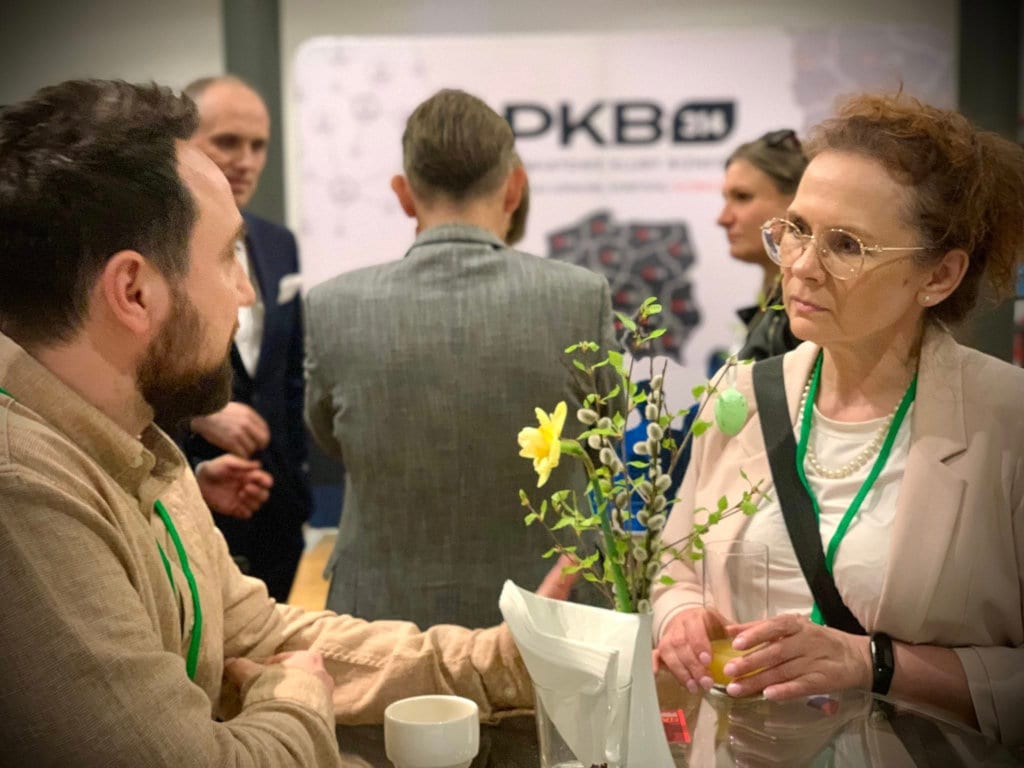
There’s a silent epidemic at every business event: the introverts in the corners, clutching their drinks, waiting for a break in the crowd-or, honestly, a break from the crowd. Until recently, I never gave it much thought. But after a mentoring session with Joe (thanks, Joe), the truth hit me: if you’re building a company, being an introvert isn’t just a personality trait-it’s a business risk.
Why? Because in this game, your network is your net worth. Fundraising, partnerships, and even survival often hinge on who you know and who knows you. And yet, for many founders, the idea of “working the room” is as appealing as a root canal.
You don’t have to become someone you’re not. You need a strategy that works for you.
Why Networking Isn’t Optional (and Proof It Works)
Let’s get brutally honest. If you’re building a business, you can’t afford to ignore networking. Investors rarely fund strangers. Strategic partnerships don’t fall out of the sky. And your next big client? It’s probably one introduction away.
- Fundraising is built on trust. Investors are far more likely to write a check when you come recommended by someone they trust. Airbnb’s founders didn’t just cold-email their way to millions-they networked relentlessly, getting warm introductions and building credibility one handshake at a time.
- Career pivots and business growth happen through people. Teresa Goertz switched industries and landed her first big contract at Microsoft through connections she made volunteering at industry events-not by sending out cold resumes.
- Referrals drive real business. In some networks, like BNI, 60% of corporate clients came through referrals-proof that relationships, not just resumes, close deals.
You can’t raise money without talking to people-investors back people, not pitch decks. And the best people are found in the crowd, not hiding behind their inboxes.
The Real Struggle-And Why You’re Not Alone
For introverts, business events can feel like a gladiator arena-except everyone else seems to have read the script, and you’re left wondering how to make an entrance. The irony? You’re not alone. Most people in the room are faking confidence, hoping someone else will break the ice.
Most don’t realize that introverts aren’t bad at networking. You guys (introverts) have a secret weapon: listening. People remember those who actually hear them, not just those who talk the most.
Real-World Tactics for Introverts (That Actually Work)
- Prepare your story. Have a short, genuine answer to “What do you do?”-but don’t pitch, just share.
- Set a micro-goal. Don’t aim to meet everyone. Decide to have three real conversations. Once you hit your target, you can leave or keep going if you’re in the flow.
- Start small. Choose smaller events or targeted meetups to build confidence before tackling massive conferences.
- Leverage pre-event research. Use event apps or LinkedIn to connect with attendees before you arrive. A warm intro-even digital-makes in-person meetings easier.
- Find other solo attendees. Approach someone standing alone. They’ll be grateful, and one-on-one is where introverts excel.
- Wear a conversation starter. A unique pin, shirt, or accessory gives people a reason to approach you (and saves you from always making the first move).
- Take breaks. It’s not a marathon. Step outside, recharge, then return when you’re ready.
- Listen more than you talk. Use your natural tendency to listen deeply. People love to talk about themselves-let them, and you’ll be remembered as a great conversationalist.
If you’ve ever felt like the odd one out at a networking event, you’re in good company. The trick isn’t to change who you are-it’s to change how you play the game.
Why Speaking Up Is Your Secret Weapon
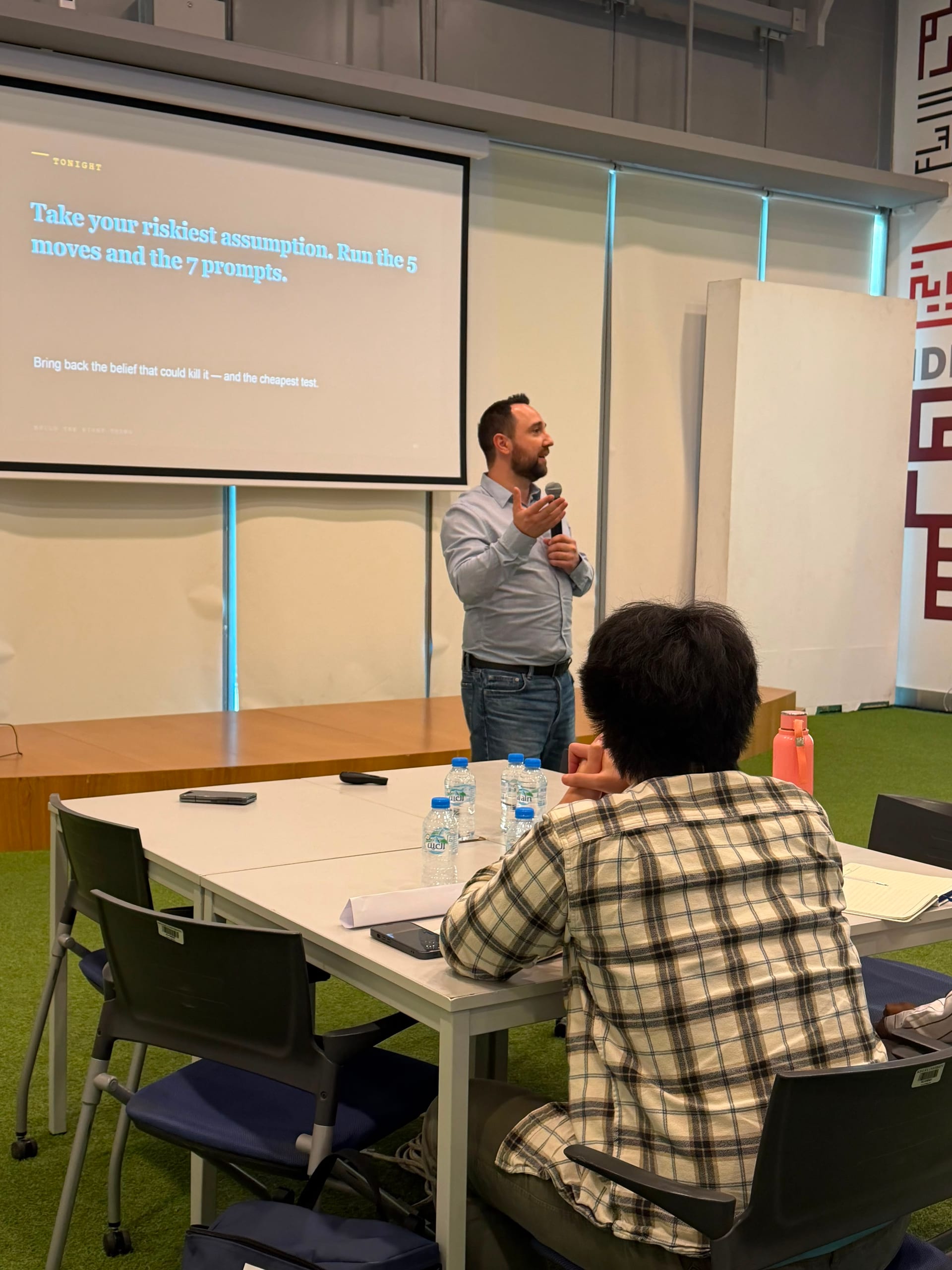
Hiding in the corner might feel safe, but it’s the fastest way to stay invisible. Participating-really participating-at events is more than just a networking hack. It’s your chance to show, not just tell, that you’re a founder with ideas, insight, and conviction. When you speak up in a panel, ask a sharp question, or share your story in a roundtable, you’re demonstrating expertise, confidence, and leadership-the very qualities investors, partners, and future team members look for.
I’ve seen it firsthand: the founders who step out of the shadows, even just a little, are the ones people remember. They’re the ones who get the follow-up emails, the LinkedIn requests, the “Hey, let’s grab coffee” messages. And often, they’re the ones who get the funding.
Making Your Presence Count
- Arrive early. The room is quieter, the groups are smaller, and it’s easier to start real conversations before the noise ramps up.
- Pick your moments. Choose one or two sessions where you’ll ask a question or share a quick insight. Prepare these in advance if you need to.
- Craft your elevator pitch. Know how to introduce yourself in a way that’s both memorable and authentic. Practice until it feels like second nature.
- Use your listening skills. Ask thoughtful follow-up questions. People remember those who listen deeply, and it sets you apart from the crowd of self-promoters.
- Leverage technology. If in-person is too much, start with virtual events or connect on LinkedIn before and after the event to keep the momentum going.
- Set a time limit. Give yourself permission to leave after 45 minutes if you’ve met your goals. Quality beats quantity every time.
For me, it depends on how I feel on the event day. Sometimes, I am happy to jump and talk to everyone for many hours; sometimes, I would rather sit it out. But on those days, the above points are really helpful.