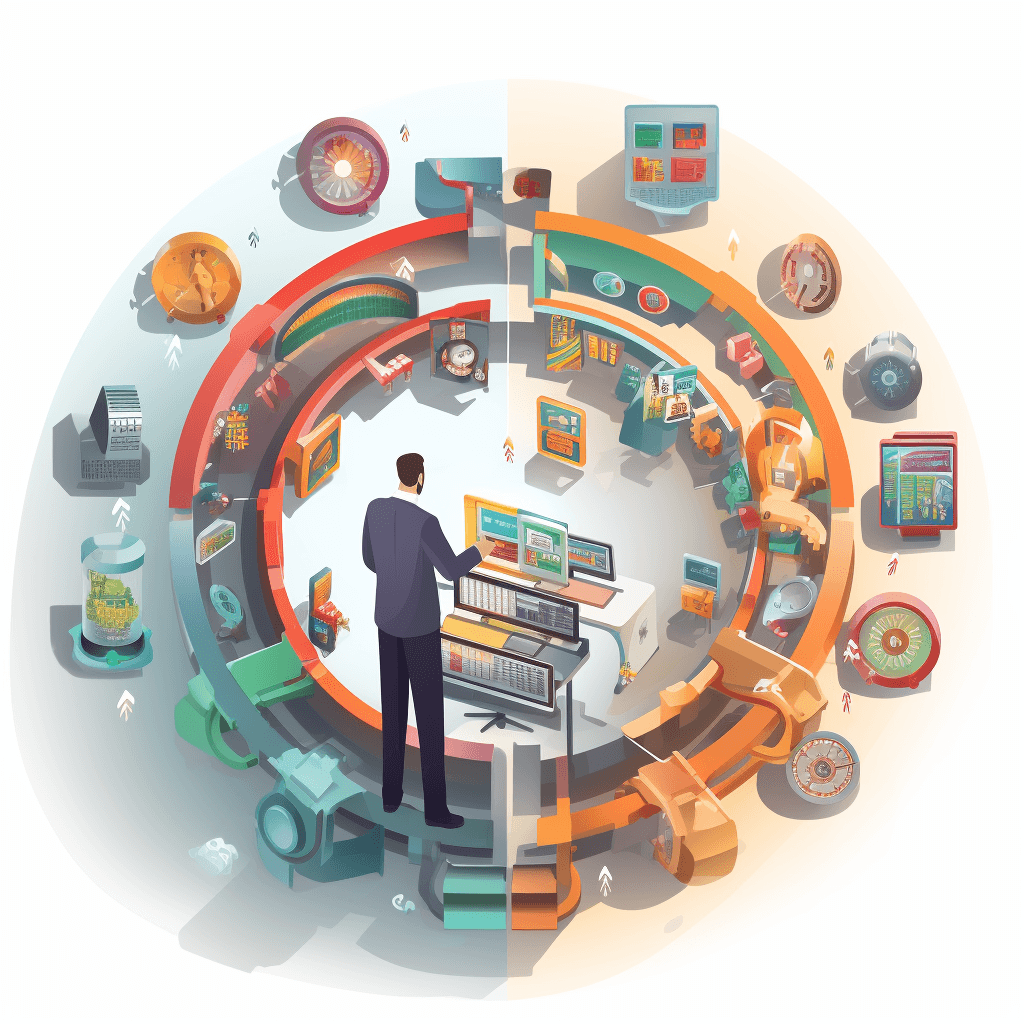
Software development is a complex process that requires a well-structured approach to ensure the final product meets the client's needs. The software development lifecycle (SDLC) is a step-by-step process that helps software developers to create, deploy, and maintain software applications. There are different models of SDLC, each with its unique steps, advantages, and disadvantages. In this article, we will explore the various models of software development lifecycle, including the Waterfall model, Agile model, Spiral model, and V-shaped model. We will also look at the advantages and disadvantages of each model, and how to choose the right model for your software development project. Whether you're a software developer, project manager, or a business owner looking to develop software applications, this article will provide you with valuable insights to help you make informed decisions and achieve your software development goals. So, let's dive in and explore the different models of software development lifecycle.
Waterfall Model
The Waterfall model is one of the most traditional and sequential models of software development. It follows a linear, step-by-step approach, where each phase must be completed before moving on to the next. The phases include requirements gathering, system design, implementation, testing, deployment, and maintenance. This model is suitable for projects with well-defined requirements and a stable scope. However, it can be rigid and inflexible when changes or enhancements are needed during the development process. The Waterfall model is ideal for small projects with a clear and fixed scope, where changes are minimal and predictable.
Agile Model
The Agile model is an iterative and incremental approach to software development. It focuses on collaboration, flexibility, and adaptability. The development process is divided into small iterations or sprints, where each iteration delivers a working increment of the software. Agile methodologies, such as Scrum and Kanban, are widely used in the industry. The Agile model allows for frequent feedback and changes, enabling teams to respond quickly to customer needs and market demands. It is suitable for projects with evolving requirements, where flexibility and adaptability are essential.
Scrum Model
Scrum is a popular Agile methodology that emphasizes teamwork, collaboration, and iterative development. It divides the development process into short iterations called sprints, typically lasting 1-4 weeks. The team, including the product owner, Scrum master, and development team, collaborates to deliver a potentially shippable product increment at the end of each sprint. Scrum provides transparency, continuous improvement, and regular feedback through daily stand-up meetings, sprint planning, sprint reviews, and retrospectives. This model is ideal for complex projects where requirements are not fully known upfront and need to be discovered and refined iteratively.
Spiral Model
The Spiral model combines elements of both the Waterfall and Agile models. It is an iterative model that focuses on risk management and frequent prototyping. The development process progresses in a spiral pattern, with each loop representing a phase of the project. The phases include planning, risk analysis, engineering, prototyping, and evaluation. The Spiral model allows for flexibility and risk mitigation by addressing potential issues early in the development process. It is suitable for large-scale projects with high risks and uncertainties.
V-shaped Model
The V-shaped model is a variant of the Waterfall model that emphasizes testing at each phase of the development process. It follows a sequential approach, similar to the Waterfall model, but places a strong emphasis on verification and validation. Each phase has a corresponding testing phase to ensure that the software meets the specified requirements. The V-shaped model is suitable for projects with clear and well-defined requirements, where testing is critical for quality assurance.
Prototype Model
The Prototype model focuses on creating a working model or prototype of the software early in the development process. It allows stakeholders to visualize and experience the software, providing valuable feedback for further refinement. The development process involves building and refining prototypes based on user feedback until the final product is developed. The Prototype model is suitable for projects with evolving requirements and a need for user involvement throughout the development process.
Comparison of Software Development Lifecycle Models
Each software development lifecycle model has its own advantages and disadvantages. The Waterfall model provides a clear and structured approach but lacks flexibility. The Agile model offers flexibility and adaptability but requires frequent communication and collaboration. The Spiral model addresses risk management but can be time-consuming and costly. The V-shaped model emphasizes testing but may not be suitable for projects with changing requirements. The Prototype model involves user feedback but can result in scope creep if not managed properly. Understanding the strengths and weaknesses of each model is crucial in selecting the right one for your project.
Choosing the Right Software Development Lifecycle Model for Your Project
Choosing the right software development lifecycle model depends on various factors, including project requirements, scope, timeline, budget, and team dynamics. Consider the nature of your project, the level of flexibility required, the availability of resources, and the preferences of your stakeholders. Engage with your team and stakeholders to understand their expectations and constraints. Conduct a thorough analysis of your project's needs and match them with the strengths and weaknesses of each SDLC model. Finally, select the model that aligns with your project goals and constraints.
Conclusion
In conclusion, the software development lifecycle comprises various models, each with its own unique approach and characteristics. The Waterfall model provides a structured and sequential approach, while the Agile model emphasizes flexibility and collaboration. The Spiral model focuses on risk management, and the V-shaped model emphasizes testing at each phase. The Prototype model involves user feedback and the creation of working prototypes. By understanding the advantages and disadvantages of each model and considering your project's specific requirements, you can choose the right software development lifecycle model that best suits your needs. Remember, the success of your software development project depends on selecting the appropriate model and effectively implementing it. So, choose wisely and embark on a successful software development journey.